History

The QEII Army Memorial Museum was opened on 15th October 1978 by His Excellency the Governor General Sir Keith Holyoake thanks to the vision of the Chief of General Staff at the time, Major General Ron Hassett (a veteran of WWII and Korea) who launched “Operation Heritage” to develop a National Army Museum.

For many years New Zealanders had been reluctant to commemorate their military history and as a result, plans for a national war museum had not eventuated.

An Army Museum first opened in Trentham in 1920 displaying items brought back from the Great War.  Many of these items were given to the Wellington and Auckland Museums, until in 1963 the remainder of the collection was transferred to Waiouru.  A small museum was established in the original Waiouru Homestead. In 1968 the museum shifted to a temporary home in a converted cookhouse within the Waiouru Camp. In 1973 a proposal was first muted to construct a new building near State Highway 1.

In January 1977 a detailed study is completed and events began to move rapidly and the inaugural meeting of the Trustboard took place in March. The Army Memorial Museum Trust Board was incorporated in August 1977 at the same time architectural plans were accepted and by November.

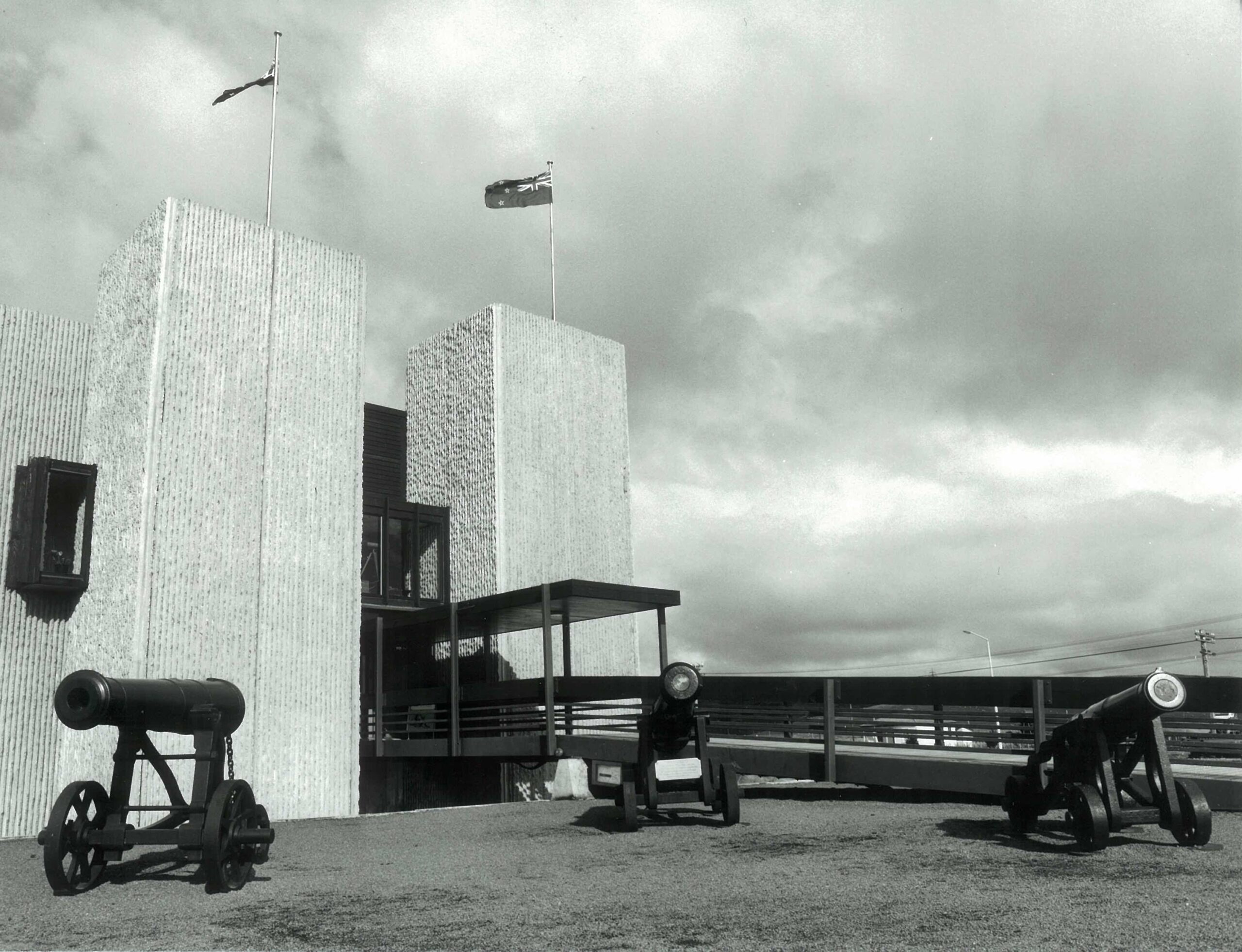
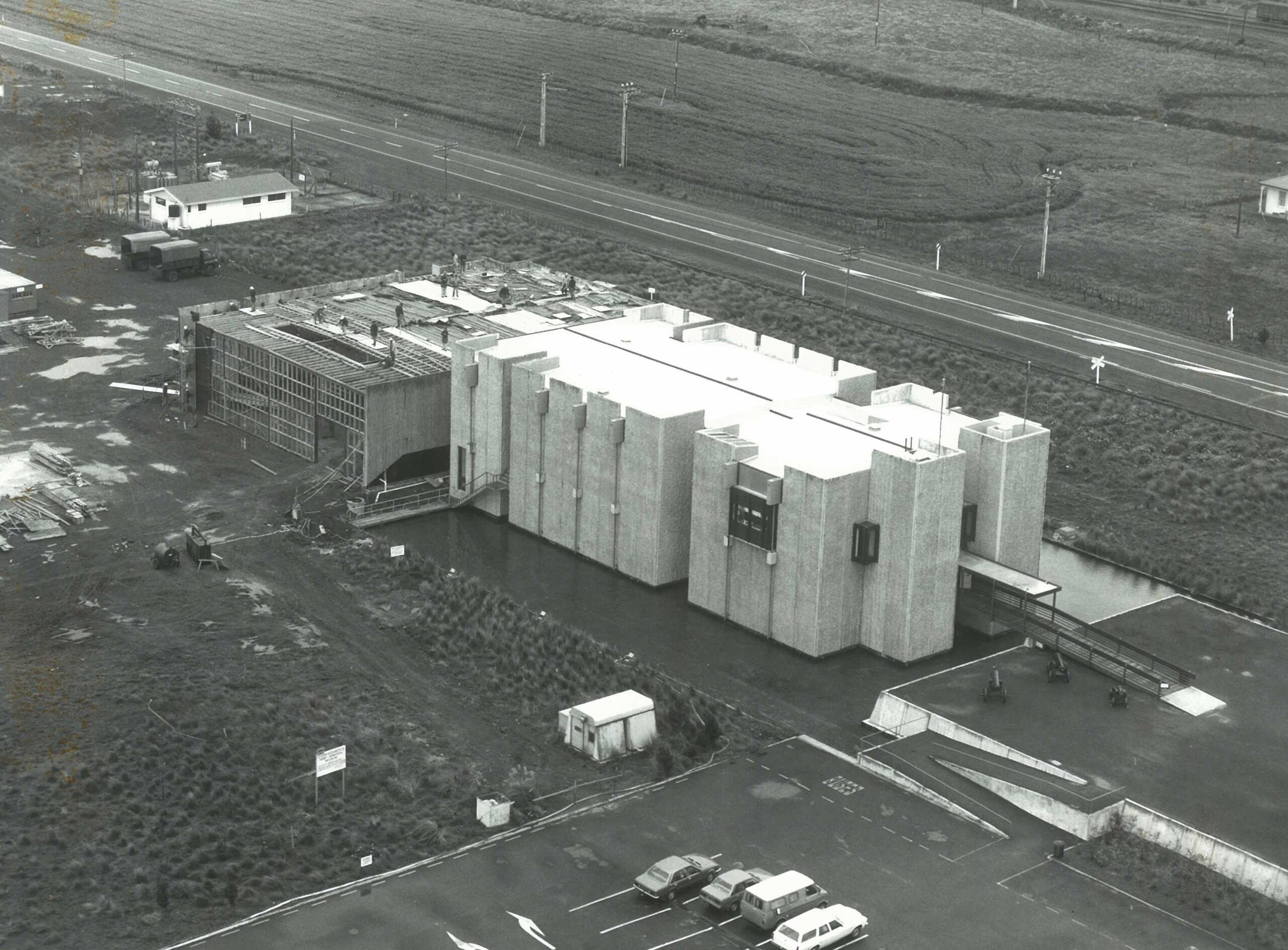
No Defence money could be used and the museum was funded almost entirely through donations. Spearheaded by a well-publicised run across New Zealand by Major Albert Kiwi and his dog Freefall, fund-raising got underway. The builders soon followed and Army Engineers and voluntary labour braved a tough winter often working 12 hours a day to build and complete the Sir Miles Warren designed fortress-like structure in just 276 days.

The Museum was designed to function as a memorial, to acquire, preserve and display aspects of New Zealand’s military history; and to serve as a research and teaching facility.

Looming dramatically out of the tussock and ‘guarded’ by restored tanks and guns, the complex captured the attention of Desert Road travellers. The Museum also attracted interest for its unique displays which were the work of Gary Couchman – a Wellington designer, who set new standards for museum display throughout New Zealand.

Since 1978, the Museum has undergone further development. Stage II attached at the southern end of the original building, opened in July 1983, increasing work, storage and gallery space. Stage III (Kippenberger Pavilion) was finished in 1995, as was the memorial greenstone wall ‘Roimata Pounamu Tears on Greenstone’, which commemorates New Zealand’s war dead from the three Armed Services and the Merchant Marine. Most recently in November 2017, the museum opened a new entryway and large gallery space.

We’d Love to Hear From You

From museum visits to research support, our team is ready to assist you on your journey through New Zealand’s military history.