Greece
After limited training in Egypt, the troops were sent to Greece to help defend it from the Italians advancing from the north. The Allied intervention forced the Germans to attack Greece in support of their Italian allies, fatally delaying the German invasion of Russia. The lightly-equipped Allied troops were forced back down the peninsula, engaging in a series of bloody defensive actions against the Germans until they were evacuated from the southern beaches and ports by the Royal Navy.
As the men arrived on the ships they were forced to throw everything they carried over the side except their rifles and ammunition. Radios, digging tools and heavy weapons were all dumped before anyone was taken on board.
Crete
In May 1941, many of the weary and ill-equipped troops evacuated from Greece were landed on the island of Crete to become its Garrison Force. The island was placed under the command of General Bernard Freyberg VC, the commander of the 2nd New Zealand Division. After 2 weeks of intense bombing, Crete was subjected to the first total airborne invasion in history. The Kiwis bore the brunt of the fighting and after 3 days of tough fighting, Maleme Airfield (the key to Crete) was taken by the Germans. The Allied Force was forced to evacuate the island and – like in Greece – fought a number of rear-guard actions.
Once the evacuation commenced it became clear that not all those still on the island would escape. Thousands of men were left behind and these men were ordered to surrender, with many spending the rest of the war in prison camps in Italy or Germany. About 6,500 surrendered; others escaped into the hills and attempted to find their own way back to Egypt. Many of these did eventually escape, often with the help of the Cretan people.
Although the Germans won the Battle for Crete, their exhaustive losses amongst the assaulting paratroopers dissuaded Hitler from ever again launching another major airborne operation against the Allies during the war.
Prisoners of War
There came a time during many battles when soldiers had no option but to surrender to the enemy, and of all war experiences some said that being taken prisoner was one of the most traumatic. The initial feeling of uncertainty, helplessness and then hopelessness at being taken by the enemy eventually gave way to boredom, frustration and a sense of deprivation.
Only 100 of the 6,500 men who served in the Boer war were taken prisoner. During the First World War again it was not that common, with only 497 captured. But for New Zealanders in World War II it was a completely different story. Over 9,000 New Zealanders spent time inside the wire of German, Italian and Japanese prisoner camps.
Over 4,000 of these were men left behind to be captured in the disasters of Greece and Crete. In the North African desert, the New Zealand infantry were often left to face German tanks without adequate support from Allied armour or anti-tank guns. As a result another 4,000 men were rounded up with no option but to surrender in the face of hopeless odds.
This exhibition gives a taste of life “behind the wire”, as well as stories of escape and liberation.
North Africa
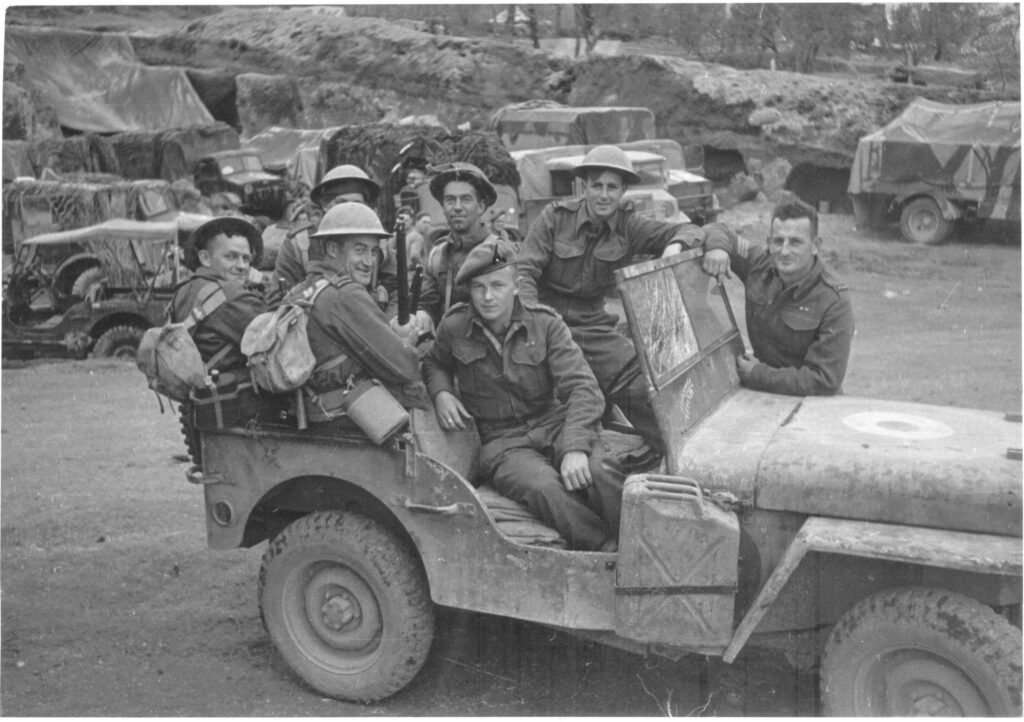
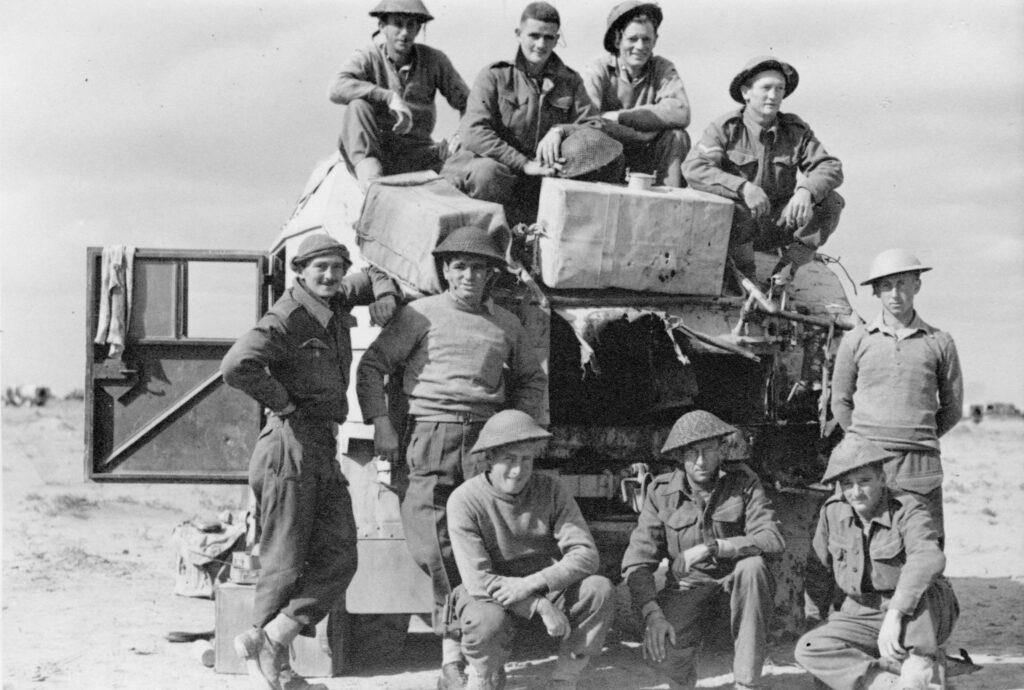
In Egypt – reinforced and retrained – the New Zealanders took part in the fighting in the Western Desert as part of the British Eighth Army, engaging the men of the Afrika Korps who were under the outstanding officer Field Marshal Erwin Rommel, dubbed the “Desert Fox”. This fighting flowed back and forth across the vast expanses of desert five times between 1940 and 1943, before General Montgomery built up enough weapons and supplies to finally force the Germans out of North Africa.
The New Zealand Division took prominent part in most major actions such as the relief of Tobruk, Minqar Qaim, defence of the El Alamein Line, the breakout at Alamein, the advance on Tripoli, and the Tunisian Campaign. As in WWI, the New Zealand Division became one of the elite formations and were called upon whenever a difficult task needed to be done.
Homefront
During World War II wartime propaganda was in full swing: recruitment posters asking men to enlist, posters urging workers to try harder, advertisements encouraging shoppers to buy particular brands of goods, and campaigns emphasising the need to conserve scarce materials appeared in newspapers and on billboards around the country.
As World War II raged in Europe and North Africa, at home New Zealand underwent a friendly invasion of American troops. Between 1942 and 1944, over 100,000 troops were stationed in New Zealand for varying periods. These men made a huge impact on New Zealand society. With them coffee houses and milk bars sprung up. Taxi drivers, florists, jewellers and hotel owners experienced a boom. A lively nightlife developed in Auckland and Wellington and Kiwi women were swept off their feet to the tunes of the American “big band” music.
War not only brought about significant changes in the role of women, but also in the way men perceived that role. Apart from nurses, women’s contribution to the South African War and World War I were passive: caring for the family, raising funds, organising sewing and knitting bees to ensure their men had a few extra comforts in the frontline, and helping disabled soldiers convalesce.
In World War II – due to unprecedented strains on manpower for combat duties and essential industry – New Zealand saw women taking on many of the non-combatant roles in the services. Women also took up positions in the industrial workforce.
Whilst many felt there was little likelihood of an invasion back home, they still thought it would be good to be prepared so the Home Guard was formed in 1940. This was a voluntary force to support the defence of the country, who would work evenings and weekends. It was unpaid and open to all males over the age of 16 who were not already in the Armed Forces. At the height of its strength the Home Guard numbered over 124,000 men – the single largest force ever mobilised by New Zealand.
Italy
The New Zealanders joined the Allied advance up the Italian peninsula in 1943. This was a hard action against a determined and skillful enemy who used the difficult terrain (not dissimilar to the South Island) and adverse European winter weather to his advantage. The Kiwi troops took part in soul-destroying battles such as the Sangro River, Second and Third Cassino. They took part in hard-fought but exhilarating advances in the Liberation of Rome, the advance to Florence and the Race to Trieste before the war in Europe finally ended on 7 May 1945.
Pacific
Mid-1942, New Zealand raised another Division to fight the Japanese in the Pacific – although a platoon had been sent to the Fanning Island cable station in September 1939, and a small group to Fiji as a garrison force (followed by men to Tonga and Norfolk Island).
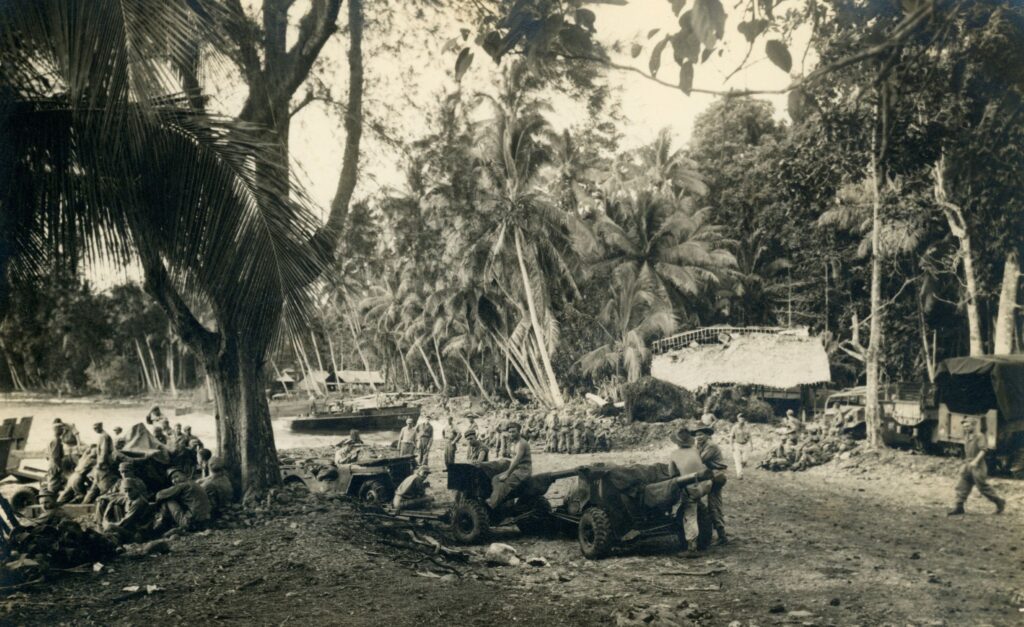
In December 1942 the Third Division sailed for New Caledonia and then became involved – along with the Americans – island-hopping (Solomons) and island-clearing at Vella Lavella (18 September to 6 October 1943), Mono and Stirling Islands (27 October to 12 November 1943), and the Green Islands group (15 February 1944). Following the Solomons Campaign, the Government decided that the country could not afford the numbers of men required to keep two divisions up to strength, and so the 3rd Division was disbanded and the men either sent to reinforce the 2nd Division in Italy or were brought home to work in the factories or farms. The museum display is a scene which represents soldiers from this division climbing down the side of a ship into a landing craft to attack the Solomon Islands as part of their island-hopping operations.
By the end of the war, New Zealand’s primary role and contribution to the Pacific was producing tinned or dried food for the American forces fighting there.