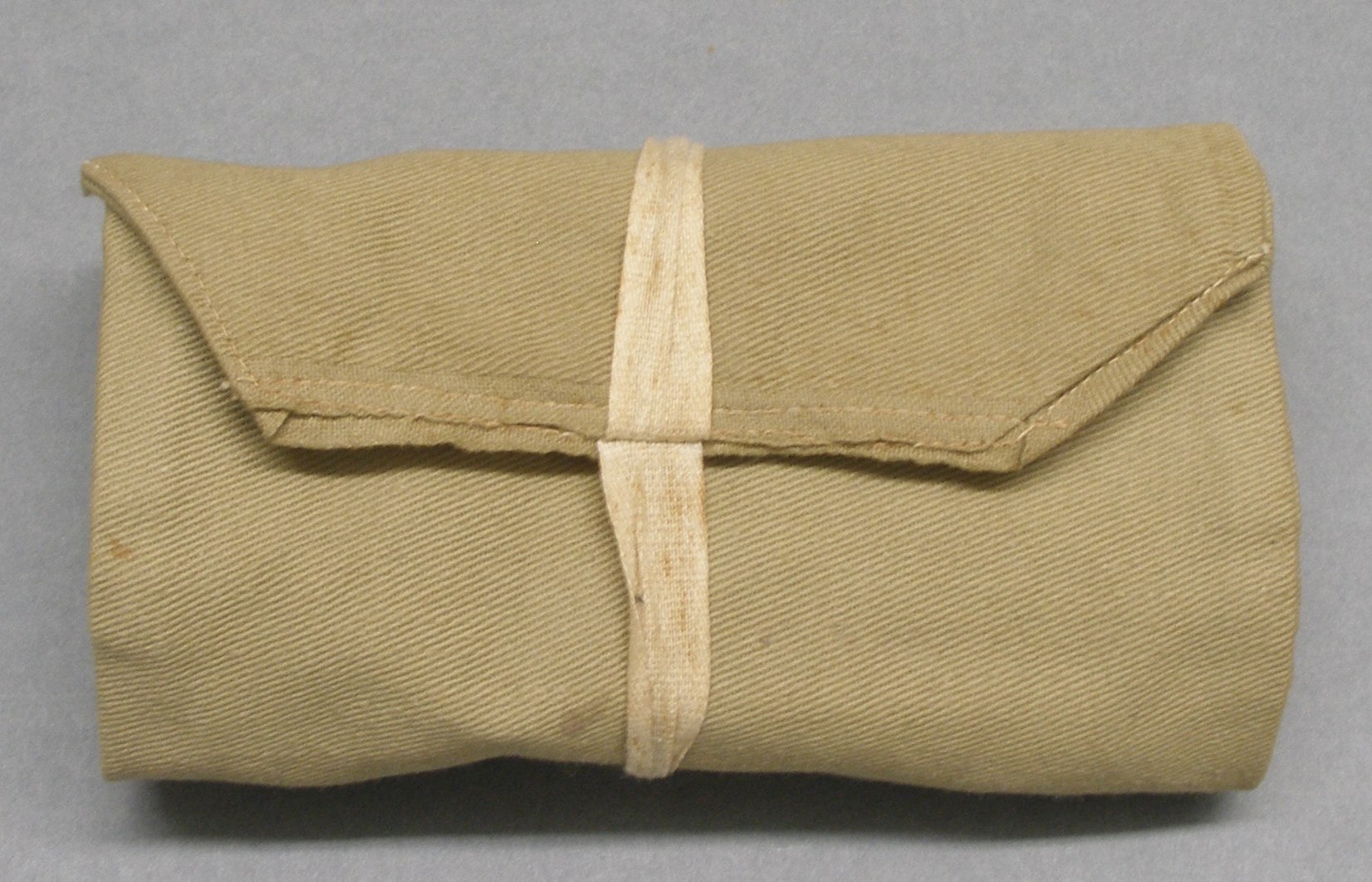
This sewing kit or ‘comfort’ with its contents of needles and threads connects us to a remarkable woman who served in J Force


This sewing kit or ‘comfort’ with its contents of needles and threads connects us to a remarkable woman who served in J Force
In May 1947 Wray Cecile Corsbie attested into the New Zealand Army Nursing Service (NZANS), against her mother’s wishes. Sister Corsbie joined J Force as a Bacteriologist (a civilian, but with the rank of Sister) and was sent to 6 NZGH (NZ General Hospital) in Kiwa, Japan.
We are lucky to have Sister Corsbie’s sewing kit/comfort in our collection, something she would have needed and used regularly in her time in Japan. Although in general the nursing staff were treated well, women still needed to be escorted outside camp environments and did not have the opportunity to go shopping often. Shopping did come to them though via a little gift train (which visited all the local military camps) and stocked clothing, fabrics, and stockings as well as many other useful items. Sister Corsbie would have had to make do with what she already had if it was not available for her to purchase, so her trusty sewing kit would have seen its fair share of use.
Her military service in Kiwa, only a few hours on the train from Hiroshima, was in the aftermath of the atomic bomb drop. The Japanese were in a poor state after years of fighting and the hospital had inadequate facilities and high workloads. Things Sister Corsbie would have faced and had to deal with day-to-day included poor hygiene, inoculations, venereal disease, mumps, typhus, cholera etc, as well as no doubt the emotional and physical effects of war and the after effects of a nuclear bomb.
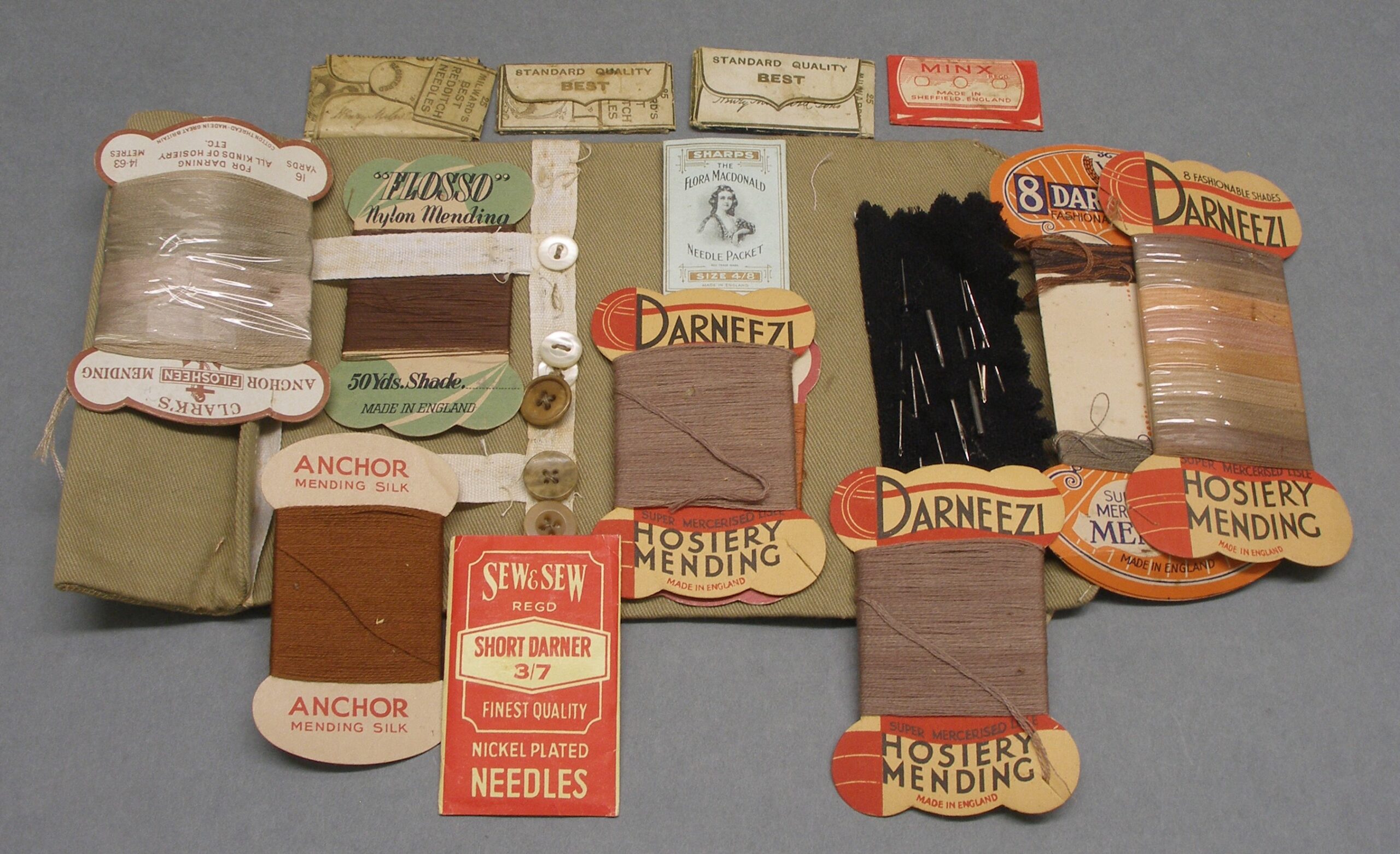
In May 1947 Wray Cecile Corsbie attested into the New Zealand Army Nursing Service (NZANS), against her mother’s wishes. Sister Corsbie joined J Force as a Bacteriologist (a civilian, but with the rank of Sister) and was sent to 6 NZGH (NZ General Hospital) in Kiwa, Japan.
We are lucky to have Sister Corsbie’s sewing kit/comfort in our collection, something she would have needed and used regularly in her time in Japan. Although in general the nursing staff were treated well, women still needed to be escorted outside camp environments and did not have the opportunity to go shopping often. Shopping did come to them though via a little gift train (which visited all the local military camps) and stocked clothing, fabrics, and stockings as well as many other useful items. Sister Corsbie would have had to make do with what she already had if it was not available for her to purchase, so her trusty sewing kit would have seen its fair share of use.
Her military service in Kiwa, only a few hours on the train from Hiroshima, was in the aftermath of the atomic bomb drop. The Japanese were in a poor state after years of fighting and the hospital had inadequate facilities and high workloads. Things Sister Corsbie would have faced and had to deal with day-to-day included poor hygiene, inoculations, venereal disease, mumps, typhus, cholera etc, as well as no doubt the emotional and physical effects of war and the after effects of a nuclear bomb.
From museum visits to research support, our team is ready to assist you on your journey through New Zealand’s military history.